
Indie shops key to reversing fortunes of struggling high streets, new study shows.
Posted on in Business News
A focus on independent stores and ‘browse-only’ shops can help to reverse the fortunes of the struggling high street, new research shows.
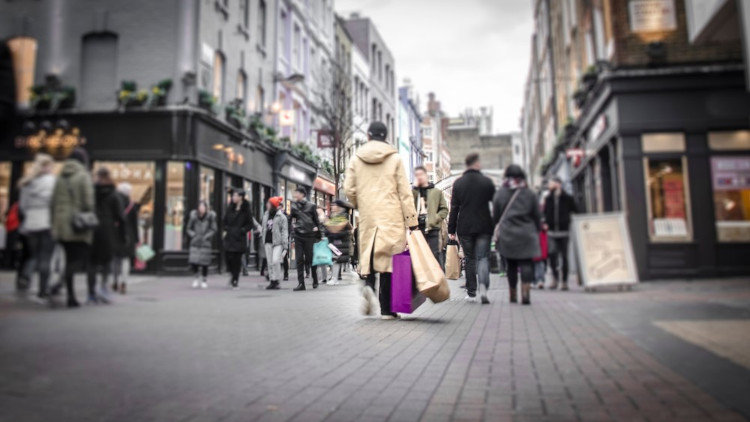
Findings from an extensive study by Manchester Metropolitan University of 100 UK high streets, funded by the Royal Commission for the Exhibition of 1851, have highlighted the major trends and issues from 2012 to 2021 - and solutions to help revive retail areas.
Published in a new illustrated book, High Street: How our town centres can bounce back from the retail crisis, researchers showed that high streets have faced unprecedented challenges.
Ordinance Survey research showed that between March 2022 and March 2020 there were 9,300 fewer retail outlets in the UK, impacted by Covid lockdowns and online shopping.
The new research shows that the problem has been driven by a steep decline in the success of ‘big retail’ – large chain stores – with 40% of retail space surplus to requirement. However, there are glimmers of light, and a way forward for high streets beyond big retail. According to the study, the six trends that will affect future retail growth are:
- Independent retailers such as artisan food outlets, vintage clothing emporiums and vape shops filling the gaps left by collapsed chain stores.
- The return of activities to high streets that had been thought lost, including ‘showrooming’ - physical stores being used to display goods and give advice, but not transact, with purchases being made online – and smaller convenience supermarket stores.
- Omni-channel retail’ - stores combining physical selling with online retailing.
- Touching, feeling and looking – the ability to experience products, to sit on furniture and try on clothes.
- Authenticity and uniqueness – offering something other than mass-produced products of mainstream retailers, like vinyl records and handmade crafts.
- Experiences rather than ‘stuff’ – catering to people’s desire to spend money on doing things like going on holiday or having a meal or beauty treatment.
The team of researchers from Manchester Met’s School of Architecture, BDP Architects and the Quality of Life Foundation, recommends seven key solutions to help town centres and high streets fight the decline.
- Halting out-of-town development and relocating services like local councils and leisure facilities in and around town centres.
- Better, more positive town planning rather than permitted development rights, that allow the conversion of vacant shops to housing, which reduces the attractiveness and retail footfall of high streets.
- Planning for future uncertainty by building urban environments made up of small and medium-sized flexible units that can be adapted.
- Increasing the diversity of retail and stopping the measure of success based on the presence of a small number of national retailers.
- Tackling vacancy by providing incentives for independents like low commitment pop-up leases, subdividing units and recycling fittings.
- Reforming business rates, which for many retailers are unsustainably high.
- Considering new models for town centre development less dependent on pre-lets to major retailers. This will involve a new breed of retail developer as well as an increasing role for councils in acquiring and managing retail space.
- Rejecting the unified ownership model of shopping centres in favour of a diversity of owners and units to encourage innovation and resilience.
- Improving the environment of high streets to instil confidence, change perceptions and help with practical methods like space for seating and markets.
The findings will now be used to advocate for national government policies such a business rate reform and a rethink on permitted development rights that is eroding retail centres by allowing the unplanned conversion of shops to housing. They will also inform the strategies of local councils who are frequently faced with dilemmas on how to best spend funds in their town centres, and guide consultants developing town centre proposals.
Dr Lucy Montague, Senior Lecturer at Manchester Met’s School of Architecture, and co-author of High Street: How our town centres can bounce back from the retail crisis, said:
“There’s been much talk in recent years of the high street dying, but our studies show this just isn’t the case – if anything, it’s out-of-town retail parks that are on their way out.
“We hope our series of solutions and recommendations show that adaptable town centres hold the key to enabling better and quicker recovery. They are capable of once again becoming the diverse, characterful and independent places they were before they were homogenised by big retailers.”
Dr Montague and her co-authors’ study included 54,749 shops and 160m square feet of retail floorspace, representing a sample of 21% of all retail outlets in the UK. It includes ‘vacancy league tables’ – lists of cities and town centres that score highest in the UK since 2012 for empty retail space.
High Street: How our town centres can bounce back from the retail crisis is published by RIBA Books. Find out more here High Street: How our town centres can bounce back from the retail crisis | RIBA Books
Useful links
If you have any other queries please contact us.