
Retail Sector Reacts with Cautious Welcome to Chancellor’s Autumn Statement
Posted on
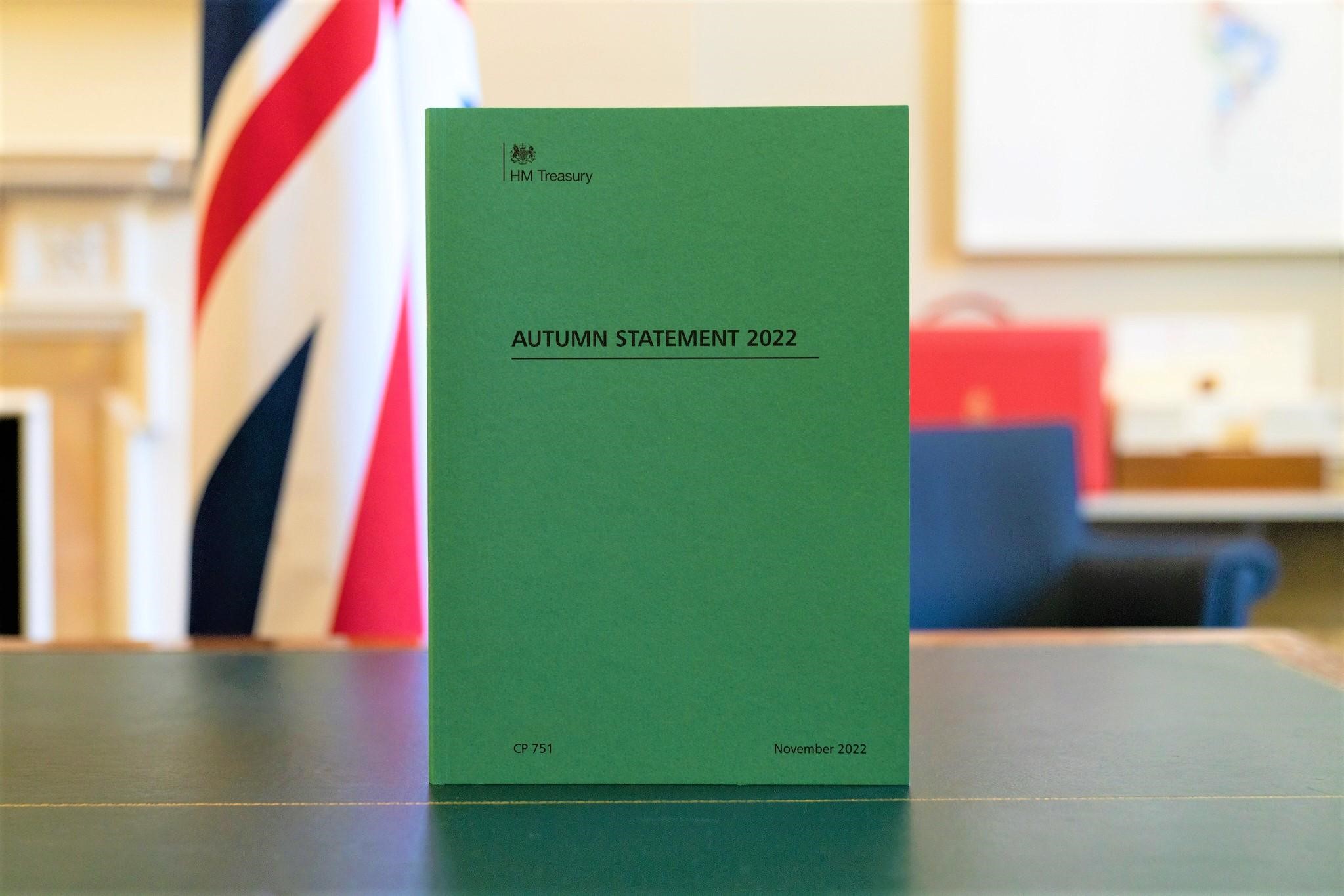
Retail and small business organisations have given a cautious welcome to business-focused aspects of the Chancellor’s Autumn Statement.
During his statement, Jeremy Hunt acknowledged that businesses were struggling with prices rising and growing uncertainty, which he said was why the government was providing a £13.6bn package of business rates support. The Chancellor claimed this would benefit around 700,000 businesses.
The Business rates package has generally been received as good news for the independent retail sector.
Andrew Goodacre, CEO of bira, tweeted that there was “good news in the Autumn statement re: business rates for next year - multiplier frozen, retail discount increased to 75% and downwards transitional relief removed. Just what BIRA was asking for to reduce the burden on indie retail businesses.”
Kate Nicholls OBE, CEO of UK Hospitality, tweeted that the business support package was “welcome news”, as she commented on the promise that thousands of hospitality and retail businesses would not pay more through this and the government-funded transitional relief scheme.
The £1.6 billion Transitional Relief scheme will cap bill increases for those who will see higher bills. Businesses seeing lower bills because of the revaluation will benefit from that decrease in full straight away, as the Chancellor abolished downwards transitional reliefs caps. Small businesses who lose eligibility for either Small Business or Rural Rate Relief because of the new property revaluations will see their bill increases capped at £50 a month through a new separate scheme worth over £500 million.
The British Retail Consortium tweeted the move to reform business rates by scrapping downwards phasing of transitional relief was “essential”. Without reform, it said, the BRC had calculated it would cost retailers £1bn from 2023-26.
Also welcome was the extension and increase in the Retail, Hospitality and Leisure relief scheme from 50% to 75% for 2023- 24, up to £110,000 per business. According to The Treasury, it means that a typical small shop with a rateable value increasing from £20,000 in 2017 to £21,500 in 2023 will receive RHL relief worth around £8,000 (subject to the £110k cash cap per business) whilst a small property in the retail, hospitality or leisure sectors eligible for the Supporting Small Business Scheme will not see an increase greater than £150 per year, equivalent to £12.50 per month.
The sector is encouraged by steps being taken to address the tax burden imbalance between online retailers and bricks and mortar sales. Total business rates paid by the retail sector is estimated to fall by 20% but will rise 27% for large distribution warehouses to reflect the growth in the online sales sector. Physical shops on the high street who are seeing a fall in bills will therefore get the full reduction, as a result of transition relief reforms, whilst online marketplace warehouses will pay higher bills, as a result of the revaluation.
The Treasury says that the package means that the total increase in business rates bills will be less than 1%, compared to over 20% without intervention and, it claims, that the package exceeds expectations from stakeholders including business representative organisations, ratings agencies and large retailers.
You can read more on the Government’s business rates fact sheet by clicking here.
However, with rising energy bills, independent retailers still need longer term and wider support to survive rising inflation, staffing and running costs as dire predictions warn of the longest recession since records began. Analysis from the Office for National Statistics (ONS) showed that food and drink service firms were more likely than any other sector to cut opening hours to deal with mammoth increases in energy bills. Although that the Chancellor said that the energy price guarantee scheme would increase from £2,500 for the average household to £3,000 for 12 months from April, he made no mention of the cap for businesses.
It is a concern that with the business rate support announced it is unlikely that the energy price guarantee scheme for businesses will continue after March 2023.
Prior to the Autumn Statement, Shevaun Haviland, Director General of the BCC, said energy costs were the number one business concern.
She said: "While current Government support is welcome, there is a cliff-edge looming, and firms will struggle to see beyond it. They need certainty on what will happen in April so they can plan with increased confidence.
The announcement that electric vehicles will no longer be exempt from vehicle excise duty from April 2025 is seen as potentially having an upside for the e-mobility sector.
The Chancellor also announced an increase in the National Living Wage from the current level of £9.50 an hour for over-23s to £10.42 from April. Whilst this is obviously welcome news for those on the lowest incomes, increased wage bills at such a difficult time may be a cause for concern for business owners already facing soaring expenses. There is a real possibility that this could lead to tough decisions for business owners. The Independent Retailers Confederation (IRC) would welcome the views of retailers on the potential impact of this to their business and invite them to email info@indieretail.uk to share their views.
However, overall, the analysis that household disposable income will fall by 7.1% in real terms over this year and next year put together, according to the OBR, which would be the biggest drop since records began in 1956 is still a cause for concern. With household disposable income still likely to be below pre-pandemic levels by 2028, the inability or reluctance for families to spend in ways they may previously have done will likely remain an issue for the independent retail sector.
Useful links
If you have any other queries please contact us.